
Agriculture Production
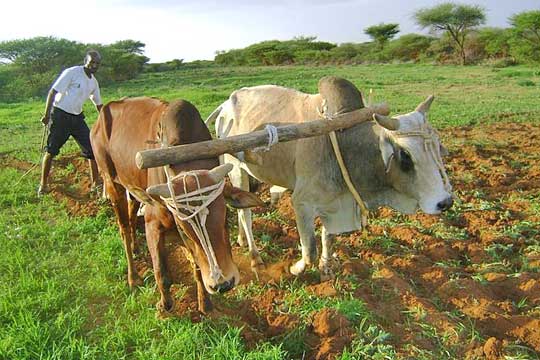
Agriculture is the backbone of Somalia’s economy and the primary source of national production, livelihoods, and food supply. The sector contributes an estimated 60–65 percent of GDP and employs around two-thirds of the population, making it the most influential driver of economic activity and resilience.
"Agricultural production is dominated by livestock, which alone accounts for about 40 percent of GDP and generates over 65 percent of export earnings, mainly through live animal exports to Gulf markets, alongside domestic production of milk and meat."
Crop Production
Forms the second pillar of agricultural output, based on riverine (irrigated) farming along the Juba and Shabelle rivers, and rain-fed agriculture across much of South-Central and northern country.
Farming Systems
Riverine farms support market-oriented production of cereals, fruits, vegetables, and cash crops, while rain-fed systems produce staple crops that sustain household food security and agro-pastoral livelihoods.
Economic Resilience
Beyond direct production, agriculture sustains extensive linkages with trade, transport, and agro-processing and acts as a key shock absorber in Somali’s fragile economy.
Key Challenges
Low productivity, climate variability, limited irrigation, and weak value chain constrain the sector’s potential. Strengthening farming systems remains essential for sustainable growth.