Environment
Somali Ecosystem
Somali Ecosystem
Climate Guardians
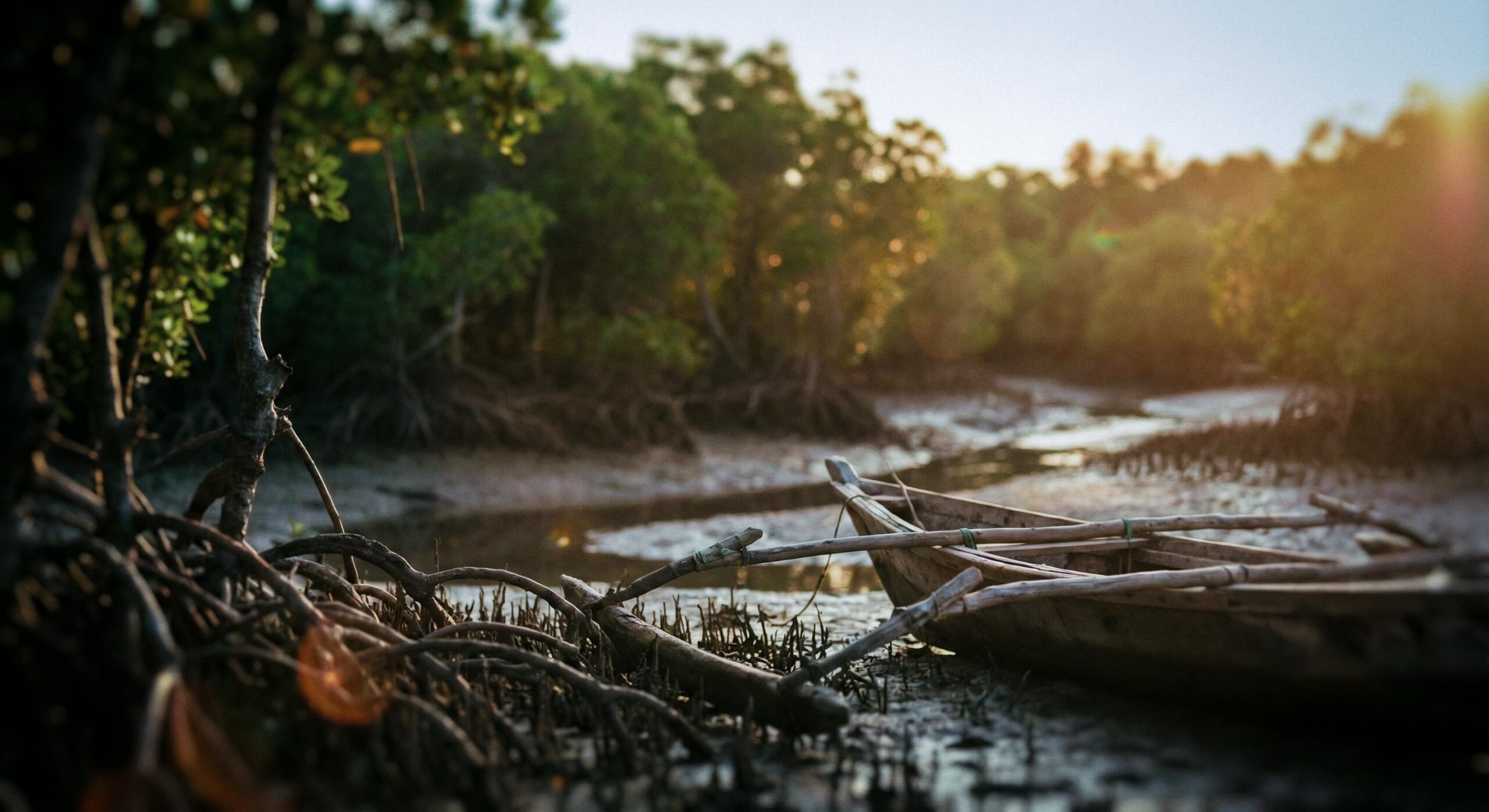
Along Somalia’s long and windswept coastline, where the Indian Ocean meets fragile communities, mangroves stand quietly as ecosystem guardians. These are more than trees—they are living defense systems.
Coastal Defense
Absorbs wave energy and reduces erosion.
Carbon Sink
Stores vast amounts of blue carbon.
Blue Economy
Critical nursery for artisanal fisheries.
66%
Wave Reduction
Mangroves protect coastal infrastructure from storm surges.

80%
Pastoral Support
Acacia woodlands sustain the majority of livestock grazing.
Terrestrial
Acacia Woodlands:
Acacia Woodlands:
The Golden Plains
Beyond the coastal belt lies the vast heart of Somalia. The Acacia woodlands are the sentinels of the savannah, thriving in arid conditions where few others can survive.
Drought Resilient
Adapts to extreme heat and water scarcity.
Economic Pillar
Source of Frankincense, Myrrh, and Gum Arabic.
Soil Anchor
Deep roots prevent desertification and erosion.